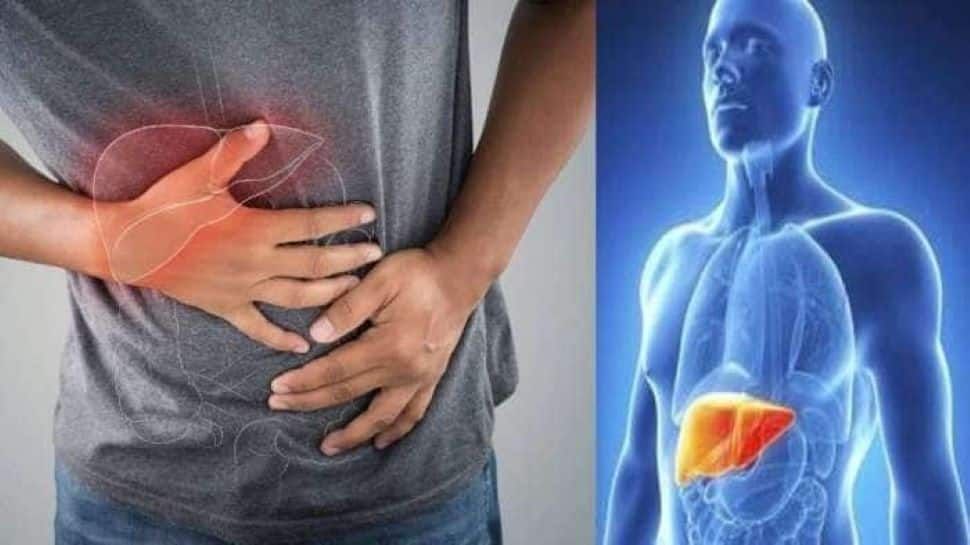
What Does the Liver Do in the Body?
The liver performs several essential functions that keep the body healthy and balanced.
- Detoxification of blood
- Formation of bile for digestion
- Processing nutrients from food
- Storage of vitamins and minerals
- Regulation of blood sugar levels
- Supporting the immune system
When the liver becomes damaged, these functions begin to slow down, affecting overall health.
Common Symptoms of Liver Damage
Liver disease usually develops gradually. In the beginning, symptoms may appear mild and are often ignored. Below are some of the most common signs of liver damage.
Fatigue and Weakness
Constant tiredness is one of the earliest signs of liver problems. Even after proper rest, a person may feel exhausted because the liver is unable to convert food into energy efficiently.
- Feeling tired throughout the day
- Weakness in the body
- Difficulty concentrating
- Low stamina
Loss of Appetite
Liver damage can affect digestion and metabolism, causing a reduced appetite or complete loss of hunger.
- Unexpected weight loss
- Feeling full quickly
- Nausea after meals
- Reduced desire to eat
Skin and Eye Yellowness (Jaundice)
Jaundice is one of the most recognizable symptoms of liver disease. It occurs when bilirubin builds up in the body due to improper liver function.
- Yellow eyes
- Yellowish skin tone
- Dark-colored urine
- Pale-colored stools
Digestive Problems Linked to Liver Damage
Since the liver plays a major role in digestion, liver disease can directly affect stomach and digestive functions.
Bloating and Abdominal Pain
People with liver disease often experience pain or heaviness in the upper right side of the abdomen.
- Bloating sensations
- Abdominal heaviness
- Pain near the ribs
- Swelling in the abdomen
Nausea and Vomiting
Persistent nausea without any clear reason may also indicate liver dysfunction. This happens because toxins are not properly removed from the body.
Abnormal Stool Colour or Bowel Habits
Liver disease can also affect bowel movements and stool appearance.
- Pale or clay-colored stools
- Frequent constipation
- Diarrhea
- Foul-smelling stools
Skin Changes Caused by Liver Problems
Itchy Skin
Continuous itching without allergies may be linked to liver disease. This happens due to bile salt buildup beneath the skin.
- Itching worsening at night
- Itching spreading across the body
- Long-lasting irritation
Easy Bruising
The liver produces proteins necessary for blood clotting. Liver damage may lead to easy bruising or bleeding.
- Nosebleeds
- Bleeding gums
- Slow wound healing
Mental and Emotional Symptoms of Liver Damage
Brain Fog and Confusion
When toxins build up in the bloodstream due to poor liver function, they can affect the brain and mental health.
- Forgetfulness
- Difficulty concentrating
- Mood swings
- Confusion
Sleep Problems
Liver disease can disturb sleep patterns, causing insomnia at night and sleepiness during the day.
Common Causes of Liver Damage
- Excessive alcohol consumption
- Obesity and unhealthy diet
- Hepatitis B and C infections
- Smoking and junk food
- Excess sugar intake
- Certain medications
Tips for Maintaining a Healthy Liver
- Eat fresh fruits and vegetables
- Drink plenty of water
- Avoid excessive alcohol
- Exercise regularly
- Maintain a healthy body weight
- Avoid self-medication
- Get regular medical checkups
When to See Your Doctor
You should consult a doctor immediately if you notice:
- Constant fatigue
- Yellow skin or eyes
- Persistent stomach pain
- Unexplained weight loss
- Swollen abdomen
- Dark-colored urine
Final Thoughts
Liver damage symptoms often appear gradually and should never be ignored. Early detection and timely treatment can prevent serious complications like liver failure.
If you experience multiple symptoms such as fatigue, jaundice, abdominal swelling, nausea, or itching, consult a healthcare professional immediately. Maintaining a healthy lifestyle and regular medical checkups can help protect your liver and overall health.