Pancreatic Tumors Disease Treatment in Janakpuri

About Pancreatic Tumors

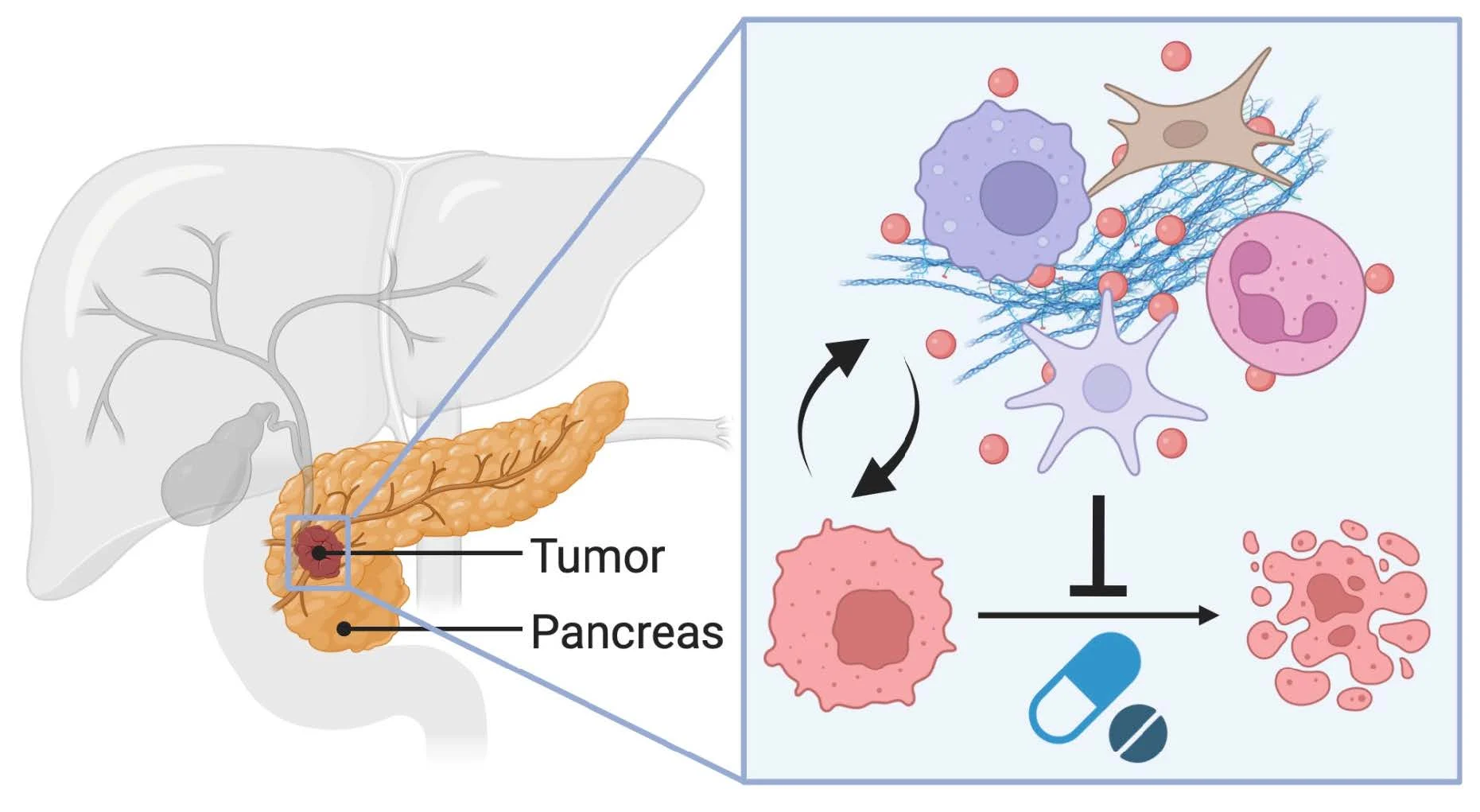
Pancreatic tumors are abnormal growths that develop in the pancreas, an organ located deep in the abdomen that plays a crucial role in digestion and blood sugar regulation. These tumors may be benign (non-cancerous) or malignant (cancerous) and can affect the pancreas’s ability to function properly.
In many cases, pancreatic tumors grow silently in the early stages, causing few or no symptoms. As the tumor increases in size, it may block bile ducts, interfere with digestion, or spread to nearby organs. Early detection and specialised medical care are essential for effective treatment and improved survival rates.
piles image

Symptoms of Pancreatic Tumors

Symptoms may vary depending on tumor type, size, and location. Common symptoms include:

1

Upper abdominal pain radiating to the back

2

Unexplained weight loss

3

Loss of appetite

4

Jaundice (yellowing of skin and eyes)

5

Nausea and vomiting

5

Indigestion and bloating

Persistent or worsening symptoms require immediate medical evaluation.

Causes & Risk Factors

The exact cause of pancreatic tumors is not always known, but several factors increase risk:

  • Smoking
  • Chronic pancreatitis
  • Long-term diabetes
  • Obesity
  • Family history of pancreatic cancer
  • Genetic mutations
  • Advancing age
  • Excessive alcohol consumption

Diagnosis of Pancreatic Tumors

Early and accurate diagnosis is critical. Doctors may recommend:

  • Blood tests (including tumor markers like CA 19-9)
  • Abdominal ultrasound
  • CT scan for detailed imaging
  • MRI / MRCP
  • Endoscopic ultrasound (EUS) with biopsy
  • PET scan in selected cases

These tests help determine the type, size, and stage of the tumor.

Treatment of Pancreatic Tumors

Treatment depends on tumor type, stage, and overall patient health.

Common treatment options include:

  • Surgery to remove the tumor (when feasible)
  • Chemotherapy to destroy cancer cells
  • Radiation therapy for tumor control
  • Targeted therapy for specific tumor types
  • Hormonal therapy for neuroendocrine tumors
  • Palliative care to relieve symptoms and improve quality of life

A multidisciplinary approach ensures optimal outcomes.

Frequently Asked Questions (FAQs)

No. Many pancreatic tumors are benign and do not spread, but require monitoring or treatment.

Some tumors can be cured with early diagnosis and surgery. Outcomes depend on tumor type and stage.

Not always. Some tumors respond well to medications, chemotherapy, or monitoring.

Growth rate varies. Some grow slowly, while others may progress rapidly.

Unexplained weight loss, persistent abdominal pain, jaundice, or digestive issues should be evaluated promptly.