Inflammatory Bowel Disease (IBD) Treatment in Janakpuri

Inflammatory Bowel Disease (IBD) Treatment

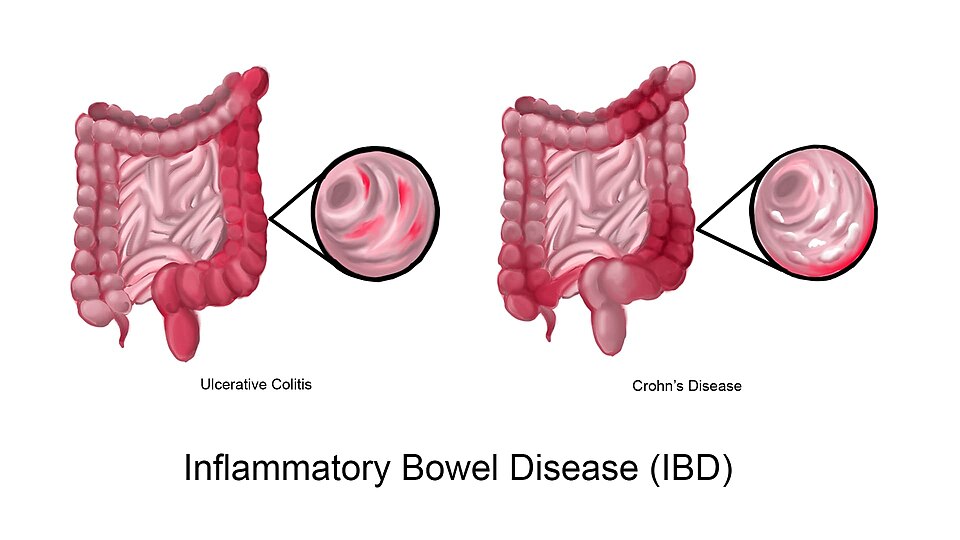
Inflammatory Bowel Disease (IBD) is a chronic condition that causes long-term inflammation of the digestive tract. It affects the normal functioning of the intestines and can significantly impact a person’s digestion, nutrition, and overall quality of life. Early diagnosis and proper treatment are essential to control symptoms and prevent serious complications.
IBD is a long-term condition, but with timely medical care, appropriate lifestyle modifications, and regular follow-ups, most patients can lead a healthy and active life. Patients looking for specialized digestive care in West Delhi, including Janakpuri, Uttam Nagar, and Vikaspuri, can access expert evaluation and treatment close to home.
If you are already searching for services such as piles treatment in Janakpuri, piles treatment in Uttam Nagar, or piles treatment in Vikaspuri, it is important to know that comprehensive care for inflammatory bowel conditions is also available nearby, ensuring complete gastrointestinal health under one roof.
piles image

Symptoms of Inflammatory Bowel Disease

Symptoms of IBD may vary depending on the type and severity of the disease. Common symptoms include:

1

Persistent or recurrent diarrhea

2

Abdominal pain and cramping

3

Blood or mucus in the stool

4

Fatigue and low energy levels

5

Unexplained weight loss

5

Night-time bowel movements

In children and young adults, IBD may also affect growth and nutritional status.

Causes of Inflammatory Bowel Disease

The exact cause of IBD is not fully understood. However, several factors are believed to contribute to the development of the disease:

  • Abnormal immune system response affecting the digestive tract
  • Genetic predisposition or family history of IBD
  • Environmental factors such as infections and diet
  • Lifestyle factors including stress and smoking

These factors together may trigger chronic inflammation in the intestines.

Diagnosis of Inflammatory Bowel Disease

Accurate diagnosis is important to determine the type and extent of IBD and to plan effective treatment. Diagnostic evaluation may include:

  • Detailed medical history and physical examination
  • Blood tests to check for inflammation, anemia, and infection
  • Stool tests to detect infection or bleeding
  • Colonoscopy to examine the colon and rectum
  • Endoscopy to evaluate the upper digestive tract
  • Imaging tests such as CT scan or MRI to assess disease severity

Early diagnosis helps in better disease control and prevents progression.

Treatment for Inflammatory Bowel Disease

Treatment of IBD is focused on reducing inflammation, relieving symptoms, and maintaining long-term remission. The treatment plan is tailored based on the patient’s condition and disease severity.

Medical Treatment

  • Anti-inflammatory medications to reduce intestinal inflammation
  • Immune-modulating drugs to control immune system activity
  • Medications to manage symptoms such as pain and diarrhea

Diet and Lifestyle Management

  • A personalized diet plan to reduce digestive irritation
  • Avoidance of foods that trigger symptoms
  • Adequate hydration and balanced nutrition
  • Stress management and regular physical activity
  • Avoidance of smoking and alcohol

Advanced Treatment and Surgery

In severe or complicated cases, advanced therapies or surgical intervention may be required. Surgery may be recommended to remove severely affected portions of the intestine or to manage complications.

Frequently Asked Questions (FAQs)

Inflammatory Bowel Disease (IBD) is a chronic condition that causes long-term inflammation of the digestive tract. It mainly includes Crohn’s disease and ulcerative colitis. IBD can affect digestion, nutrient absorption, and overall health if not treated properly.

Common symptoms of IBD include persistent diarrhea, abdominal pain, blood or mucus in the stool, fatigue, weight loss, and an urgent need to pass stools. Symptoms may vary depending on the severity and type of the disease.

IBD treatment focuses on reducing inflammation, controlling symptoms, and preventing flare-ups. Treatment may include medications, dietary changes, lifestyle management, and in severe cases, advanced therapies or surgery. The treatment plan is customized based on the patient’s condition.

IBD is a long-term condition and currently has no permanent cure. However, with proper medical care, regular monitoring, and lifestyle modifications, symptoms can be well controlled, allowing patients to live a normal and active life.