Fissure and Piles Treatment

Understanding Fissures & Piles: Expert Fissure and Piles Treatment

An anal fissure is a tiny incision that occurs in the anal lining; however, it is important to note that the “tiny” term does not imply that the pain is of low intensity—it can be that much of a nuisance. Most individuals will experience a sudden and intense pain, and occasionally they will see some blood when using the toilet.
Haemorrhoids, also known as piles, are not like fissures. In this case, the blood vessels around your anus or rectum become larger and irritated. That leads to itching, soreness, swelling, and sometimes even bleeding, all of which are the main symptoms of haemorrhoids.
The two problems are quite frequent. But if you ignore them, they can cause a great deal of inconvenience in your day-to-day life. The right treatment goes a long way.
By means of modern gastroenterology and endoscopic skills, these disorders can be put right efficiently and in a gentle manner.
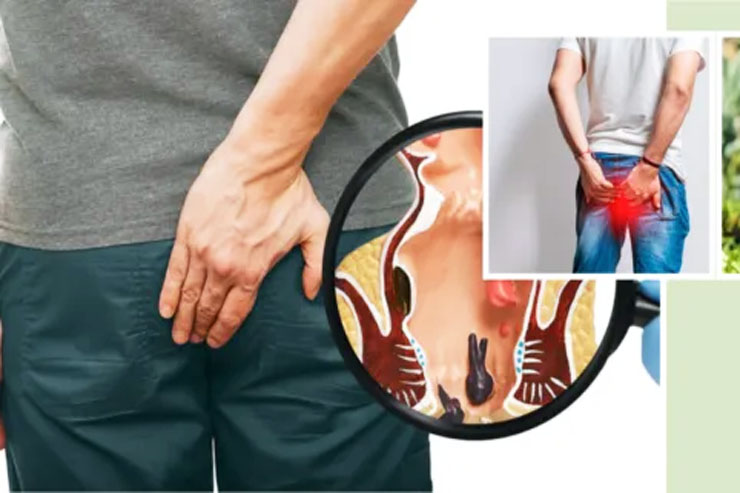
piles image

Symptoms That Need Medical Attention

1

Extremely painful bowel movement that continues even after the stool is passed.

2

Fresh red bleeding from the rectum.

3

The area around the anus is itchy or irritated.

4

The area around the anus is swollen, or there are lumps.

5

The pain is so severe that it is difficult to sit down.

Treatment Options

Being a senior consultant gastroenterologist and an advanced interventional endoscopist, I am able to offer a full range of treatments for fissures and piles, including highly specialised Fissure Piles Treatment:

Non-Surgical Management:

  • Diet rich in fibre and water intake
  • Stool softeners and safe laxatives
  • Pain relief creams and topical medications
  • Lifestyle changes to keep the disease from coming back

Less Invasive Treatments:

  • Rubber band ligation (for haemorrhoids)
  • Infrared coagulation
  • Botox shots (for fissures)
  • Sclerotherapy

More Intense Surgical Stuff:

  • Stapled hemorrhoidopexy
  • Haemorrhoidectomy (if your haemorrhoids are really bad)
  • Lateral internal sphincterotomy (if your fissures won't heal)
  • Laser treatment (to get you back on your feet faster and with less pain)

Why Choose Specialist Care?

Fissure and piles treatment is not merely about alleviating symptoms but rather about treating the underlying cause. Having knowledge in liver and gut health, I make sure the treatment plans are safe, effective, and tailored, particularly for patients with concurrent illnesses such as chronic liver disease or portal hypertension.

Patient Perks:

  • Get back on your feet fast with small-incision methods.
  • Less pain.
  • Smaller chance of it coming back.
  • Full checkup of your gut health along with care for fissures and piles.

Book Your Consultation

Don’t let fissures or piles affect your quality of life. Schedule an appointment today with a trusted Senior Consultant Gastroenterologist, Liver Specialist & Advanced Interventional Endoscopist for expert Fissure Piles Treatment and long-term relief.

Frequently Asked Questions (FAQs)

No. Fissures are small tears in the lining of the anus, whereas piles are engorged veins. Both may cause pain and bleeding, but they necessitate different types of treatment.

Indeed. Most instances get better by eating properly, drinking enough water, and taking medicines. The operation is the last resort for long-term or very serious situations only.

Minimally invasive operations generally give the patients a chance to go back to their usual activities within a couple of days. The recuperation period after surgery might be 1–2 weeks.

Not necessarily. Some of them may cause only pain, itching, or swelling without bleeding. Any bleeding from the rectum should be checked by a specialist.

Yes, the recurrence of the conditions is possible if after treatment the lifestyle factors such as constipation, straining, or bad diet are not changed. Prevention is the most important thing.

If you have bleeding that lasts, a pain that is very strong, or a swelling that does not get better with the things you do at home, then you should see a gastroenterologist without delay.