Celiac Disease is a chronic autoimmune disorder in which the consumption of gluten triggers an immune reaction that damages the lining of the small intestine. This damage interferes with the absorption of nutrients, leading to digestive problems and multiple health complications if left untreated. Early diagnosis and proper management are essential to maintain long-term digestive health.
With timely medical care, dietary guidance, and regular follow-up, most patients with celiac disease can successfully control symptoms and live a healthy, active life.
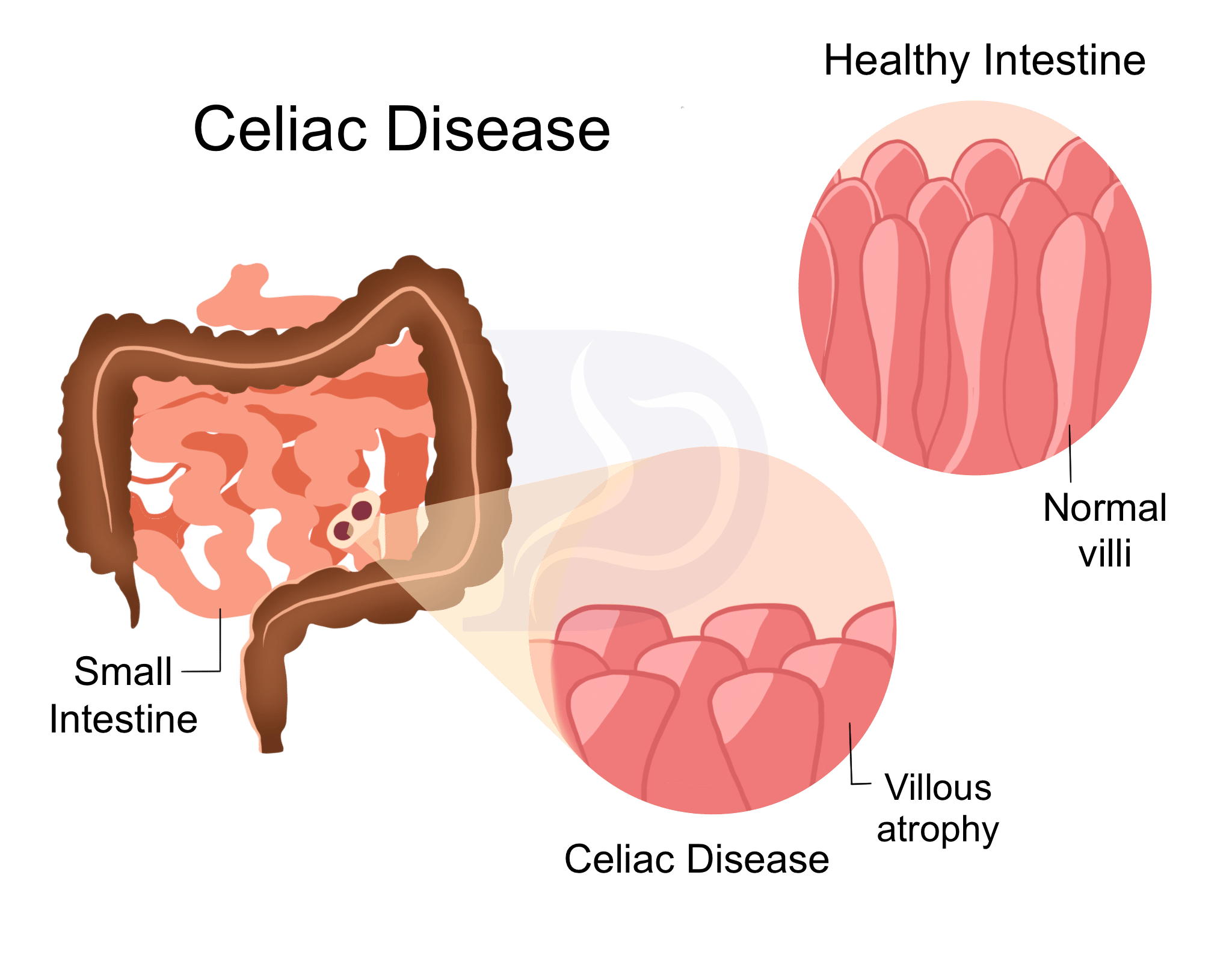
Symptoms of celiac disease vary from person to person and may affect both the digestive system and other parts of the body. Common symptoms include:
Chronic diarrhea or constipation
Abdominal pain, bloating, and gas
Unexplained weight loss
Fatigue and weakness
Nutritional deficiencies and anemia
Nausea or vomiting
In children, celiac disease may also cause delayed growth and development.
Celiac disease develops due to a combination of genetic and environmental factors. Common risk factors include:
The immune response to gluten leads to inflammation and damage in the small intestine.
Accurate diagnosis is essential before starting treatment. Diagnostic evaluation may include:
It is important not to start a gluten-free diet before diagnostic testing, as this may affect test accuracy.
With proper diagnosis, a structured gluten-free diet, and ongoing medical supervision, celiac disease can be effectively managed. Regular monitoring ensures symptom control, intestinal healing, and long-term well-being.