Ascites Treatment in Janakpuri

Ascites Treatment

Ascites is a medical condition in which excess fluid accumulates in the abdominal cavity, leading to abdominal swelling and discomfort. It is most commonly associated with chronic liver disease but may also occur due to other medical conditions. Early diagnosis and proper treatment are essential to manage symptoms and prevent serious complications.
With timely medical care, accurate diagnosis, and personalized treatment, ascites can be effectively controlled, improving comfort and overall quality of life.

What Is Ascites?

Ascites occurs when fluid builds up inside the abdomen, causing visible swelling and pressure. This fluid accumulation results from increased pressure in blood vessels or reduced protein levels in the blood, commonly due to liver dysfunction.
Ascites often develops gradually but can become severe if not treated promptly.
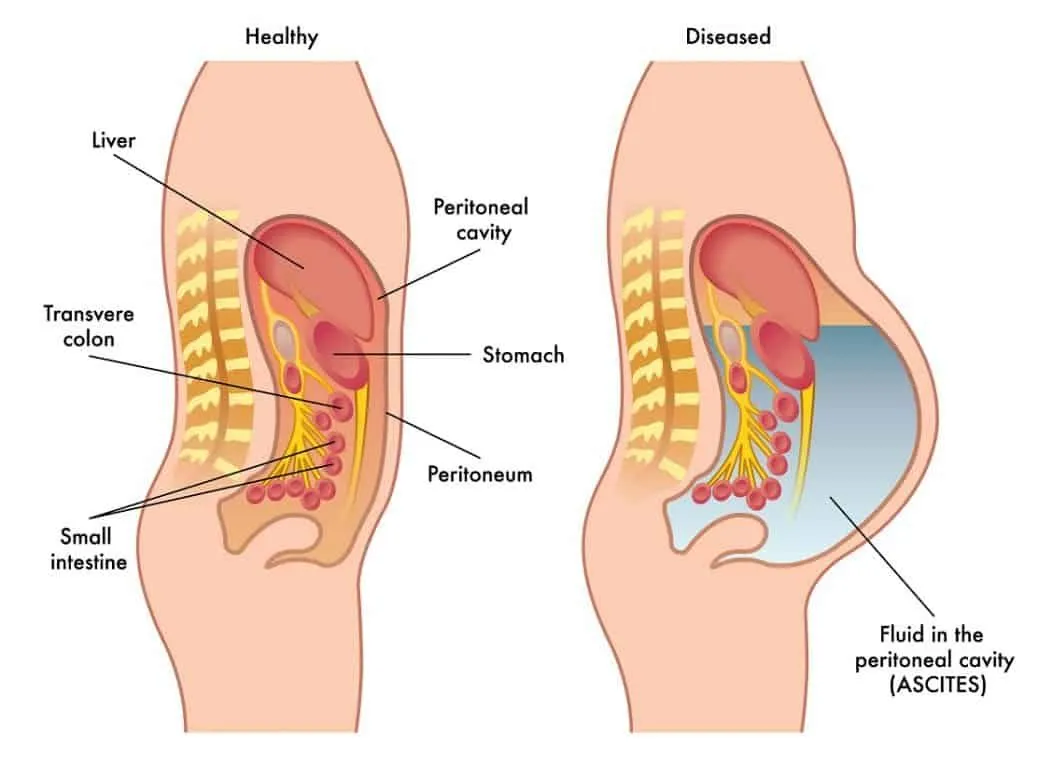
piles image

Symptoms of Ascites

Symptoms of ascites may vary depending on the amount of fluid accumulation. Common symptoms include:

1

Abdominal swelling or distension

2

Feeling of heaviness or fullness

3

Abdominal discomfort or pain

4

Shortness of breath due to pressure on the lungs

5

Loss of appetite

5

Weight gain due to fluid retention

Sudden or severe symptoms require immediate medical attention.

Causes of Ascites

Ascites is most frequently caused by underlying liver conditions, including:

  • Liver cirrhosis
  • Chronic hepatitis
  • Alcohol-related liver disease
  • Fatty liver disease

Other causes may include:

  • Heart failure
  • Kidney disease
  • Certain cancers
  • Infections affecting the abdomen

Identifying the underlying cause is critical for effective treatment.

Diagnosis of Ascites

Diagnosis involves a detailed clinical evaluation and diagnostic tests such as:

  • Physical examination of the abdomen
  • Ultrasound or CT scan of the abdomen
  • Blood tests to assess liver function
  • Fluid analysis (paracentesis) to determine the cause

Accurate diagnosis helps guide the most appropriate treatment plan.

Treatment for Ascites

Treatment focuses on managing fluid buildup and addressing the underlying cause.

Medical Management

  • Salt restriction to reduce fluid retention
  • Medications to help remove excess fluid
  • Treatment of underlying liver disease

Procedural Treatment

  • Therapeutic paracentesis to remove excess abdominal fluid in severe cases
  • Advanced therapies for recurrent or resistant ascites

Treatment is tailored to the patient’s condition and overall health.

Frequently Asked Questions – Ascites

Ascites is a condition in which excess fluid accumulates in the abdominal cavity, causing swelling and discomfort. It is most commonly associated with chronic liver disease but can also occur due to heart, kidney, or certain cancer-related conditions.

Common symptoms include abdominal swelling, a feeling of fullness or heaviness, weight gain due to fluid retention, shortness of breath, and loss of appetite. Symptoms may worsen as fluid buildup increases.

Ascites treatment focuses on reducing fluid accumulation and managing the underlying cause. This may include dietary salt restriction, medications to remove excess fluid, treatment of liver disease, and in severe cases, procedures to drain the fluid.

Ascites can become serious if left untreated, especially when linked to liver disease. Early diagnosis and proper medical management help control symptoms, reduce complications, and improve overall quality of life.

Comprehensive Care for Ascites

With early diagnosis, accurate treatment, and continuous monitoring, ascites can be effectively managed. A structured approach focused on both symptom control and underlying disease management helps improve long-term outcomes and quality of life.