About Pancreatic Stones
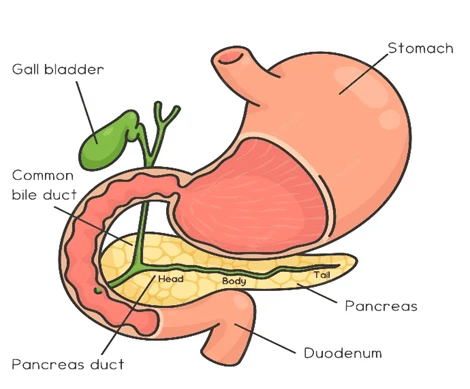
Pancreatic stones are hard calcium deposits that form inside the pancreatic duct. These stones block the normal flow of digestive enzymes from the pancreas to the intestine, leading to pain, inflammation, and digestive problems.
Pancreatic stones are most commonly associated with chronic pancreatitis and long-term inflammation of the pancreas. If left untreated, they can cause repeated episodes of pancreatitis, infection, and permanent pancreatic damage. Early diagnosis and proper treatment help relieve symptoms and prevent complications.