Acute Pancreatitis Disease Treatment in Janakpuri

About Acute Pancreatitis

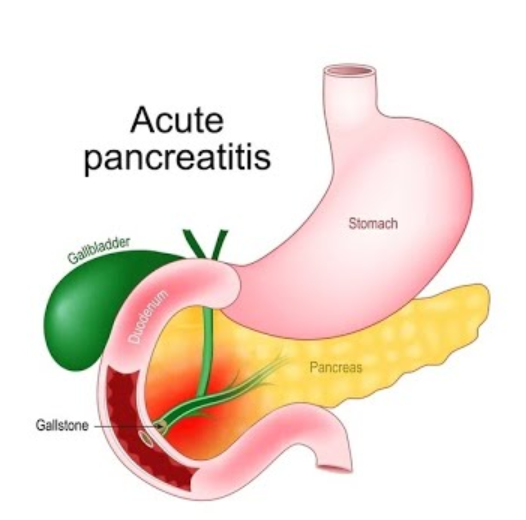
Acute pancreatitis is a sudden inflammation of the pancreas, a vital organ located behind the stomach that helps in digestion and blood sugar regulation. This condition occurs when digestive enzymes become activated inside the pancreas, leading to irritation, swelling, and tissue damage.
Acute pancreatitis can range from mild discomfort to a severe, life-threatening condition. Early diagnosis and prompt treatment are essential to prevent complications and ensure faster recovery. With proper medical care, most patients recover completely within a few days to weeks.
piles image

Symptoms of Acute Pancreatitis

Common symptoms of acute pancreatitis include:

1

Severe upper abdominal pain that may radiate to the back

2

Pain that worsens after eating

3

Nausea and persistent vomiting

4

Abdominal tenderness and bloating

5

ellowing of skin or eyes (in some cases)

5

Fever

Severe symptoms such as difficulty breathing, low blood pressure, or confusion require immediate medical attention.

Causes of Acute Pancreatitis

Acute pancreatitis can be triggered by several underlying factors, including:

  • Gallstones blocking the pancreatic duct
  • Excessive alcohol consumption
  • High triglyceride levels in the blood
  • Abdominal injury or trauma
  • Certain medications
  • Infections
  • Pancreatic tumors (rare cases)
  • Post-surgical or post-procedure complications

Identifying and treating the root cause is crucial to prevent recurrence.

Diagnosis of Acute Pancreatitis

Doctors diagnose acute pancreatitis using a combination of clinical evaluation and medical tests such as:

  • Blood tests to check pancreatic enzyme levels (amylase and lipase)
  • Ultrasound to detect gallstones
  • CT scan or MRI for detailed pancreatic imaging
  • Endoscopic ultrasound (EUS) in specific cases

Early and accurate diagnosis helps in determining the severity and guiding appropriate treatment.

Treatment of Acute Pancreatitis

Treatment focuses on relieving symptoms, reducing inflammation, and addressing the underlying cause.

Common treatment options include:

  • Hospitalization for monitoring
  • Intravenous (IV) fluids to prevent dehydration
  • Pain management medications
  • Temporary fasting to allow the pancreas to heal
  • Nutritional support if needed
  • Antibiotics (only if infection is present)
  • Gallbladder removal surgery if gallstones are the cause

Most mild cases improve within a few days with proper medical care.

Frequently Asked Questions (FAQs)

Mild cases usually resolve with treatment, but severe acute pancreatitis can be life-threatening if not treated promptly.

Recovery time varies. Mild cases recover in a few days, while severe cases may take weeks.

Yes, especially if the underlying cause such as gallstones or alcohol use is not treated.

No. Surgery is only needed if complications arise or if gallstones are the cause.

Maintaining a healthy diet, avoiding excessive alcohol, and managing cholesterol levels can reduce the risk.