Autoimmune Pancreatitis Disease Treatment in Janakpuri

About Autoimmune Pancreatitis

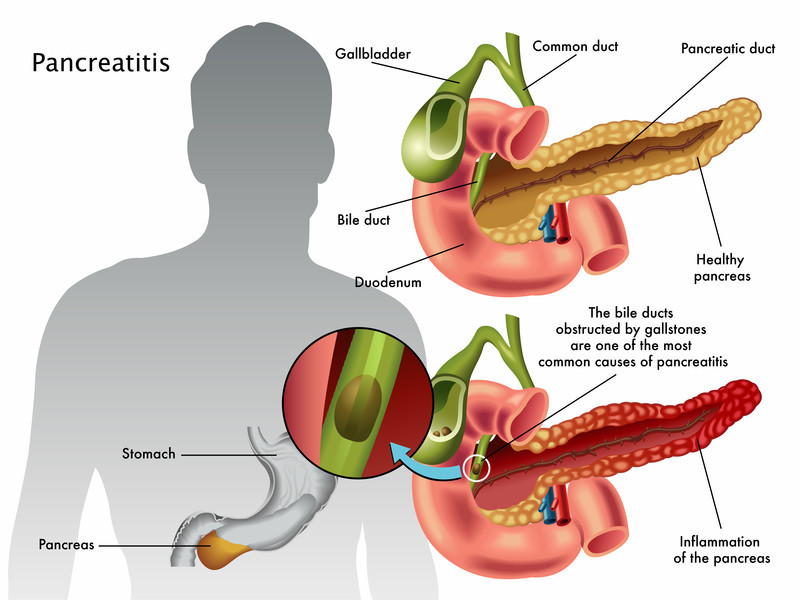
Autoimmune pancreatitis (AIP) is a rare form of chronic pancreatitis caused by the body’s immune system attacking the pancreas. This abnormal immune response leads to inflammation, swelling, and dysfunction of the pancreas. Unlike other types of pancreatitis, autoimmune pancreatitis is not related to alcohol consumption and often responds very well to steroid treatment.
Autoimmune pancreatitis can sometimes mimic pancreatic cancer due to similar symptoms and imaging findings. However, with proper diagnosis and timely treatment, most patients experience significant improvement and long-term relief.
piles image

Symptoms of Autoimmune Pancreatitis

Symptoms may vary depending on disease severity and type, and may include:

1

Upper abdominal pain

2

Painless jaundice (yellowing of skin and eyes)

3

Weight loss

4

Fatigue

5

Digestive problems

5

Dark urine and pale stools

Causes & Risk Factors

The exact cause of autoimmune pancreatitis is unknown, but it is linked to immune system dysfunction. Possible contributing factors include:

  • Autoimmune disorders
  • Elevated IgG4 levels (Type 1 AIP)
  • Genetic predisposition
  • History of inflammatory bowel disease (Type 2 AIP)

Diagnosis of Autoimmune Pancreatitis

Diagnosing autoimmune pancreatitis requires a combination of clinical, laboratory, and imaging findings. Common tests include:

  • Blood tests (IgG4 levels)
  • CT scan or MRI of the pancreas
  • MRCP for bile and pancreatic ducts
  • Endoscopic ultrasound (EUS) with biopsy
  • Response to steroid therapy (important diagnostic clue)

Correct diagnosis is essential to differentiate AIP from pancreatic cancer.

Treatment of Autoimmune Pancreatitis

Autoimmune pancreatitis responds very well to medical treatment.

Common treatment options include:

  • Steroid therapy (first-line treatment)
  • Immunosuppressive medications in recurrent cases
  • Pancreatic enzyme supplements
  • Management of diabetes if present
  • Regular follow-up and imaging

Most patients show rapid improvement within weeks of starting treatment.

Frequently Asked Questions (FAQs)

No. It is a benign inflammatory condition, though it can mimic pancreatic cancer.

It is treatable and often goes into remission with steroid therapy, though relapses may occur.

Surgery is rarely required unless diagnosis is uncertain.

Yes, especially in Type 1 AIP, but recurrences can be managed with medication.

Persistent jaundice, abdominal pain, or unexplained weight loss should be evaluated promptly.