Pancreatic Pseudocyst Disease Treatment in Janakpuri

About Pancreatic Pseudocyst

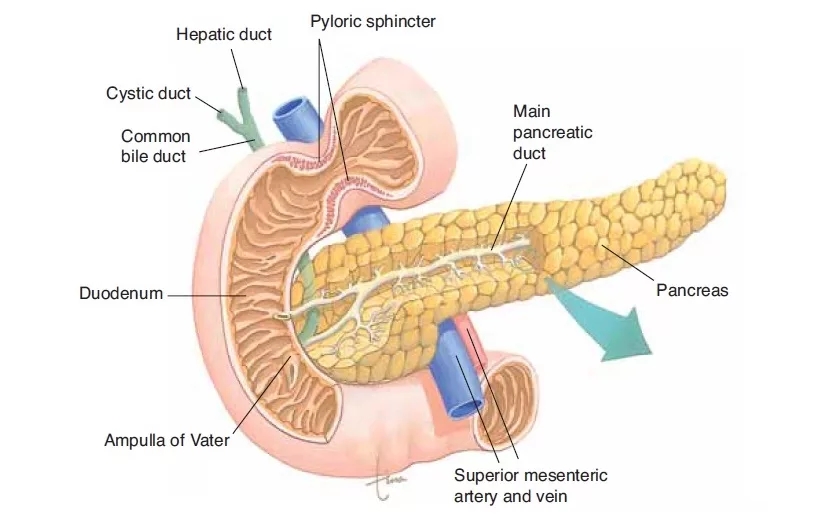
A pancreatic pseudocyst is a fluid-filled sac that develops in or around the pancreas, usually as a complication of acute or chronic pancreatitis. Unlike true cysts, pancreatic pseudocysts do not have an epithelial lining; instead, they are surrounded by fibrous or inflammatory tissue. These pseudocysts contain pancreatic enzymes, fluid, and sometimes debris.
Pancreatic pseudocysts commonly form after an episode of pancreatic inflammation or injury. While some pseudocysts may resolve on their own, larger or symptomatic pseudocysts often require medical or endoscopic treatment. Early diagnosis and proper management help prevent serious complications such as infection, rupture, or bleeding.
piles image

Symptoms of Pancreatic Pseudocyst

Symptoms depend on the size and location of the pseudocyst. Common symptoms include:

1

Persistent upper abdominal pain

2

Pain radiating to the back

3

Abdominal fullness or swelling

4

Nausea and vomiting

5

Indigestion and bloating

5

Loss of appetite

Sudden severe pain, fever, or vomiting blood requires immediate medical attention.

Causes of Pancreatic Pseudocyst

Pancreatic pseudocysts usually occur due to:

  • Acute pancreatitis
  • Chronic pancreatitis
  • Gallstones
  • Excessive alcohol consumption
  • Abdominal trauma or injury
  • Post-surgical pancreatic complications

Repeated pancreatic inflammation increases the risk of pseudocyst formation.

Diagnosis of Pancreatic Pseudocyst

Accurate diagnosis is essential to determine the size and risk of complications. Doctors may recommend:

  • Abdominal ultrasound
  • CT scan of the abdomen
  • MRI / MRCP for detailed imaging
  • Endoscopic ultrasound (EUS)
  • Blood tests to assess infection or inflammation

Imaging helps differentiate pseudocysts from pancreatic tumors or true cysts.

Treatment of Pancreatic Pseudocyst

Treatment depends on cyst size, symptoms, and complications.

Treatment options include:

  • Observation and monitoring for small, asymptomatic pseudocysts
  • Pain management and pancreatic enzyme supplements
  • Endoscopic drainage (EUS-guided) for large or symptomatic pseudocysts
  • Percutaneous drainage in selected cases
  • Surgical intervention for complicated or recurrent pseudocysts

Most patients recover well with appropriate treatment.

Frequently Asked Questions (FAQs)

It can be dangerous if infected, ruptured, or very large. Timely treatment prevents complications.

Small pseudocysts may resolve without treatment, but larger ones often require intervention.

No. Many pseudocysts are treated with minimally invasive endoscopic procedures.

Recovery depends on severity and treatment type, but most patients improve within weeks.

Persistent abdominal pain, vomiting, fever, or abdominal swelling should be evaluated immediately.