Liver tumors are abnormal growths that develop in the liver. These tumors may be benign (non-cancerous) or malignant (cancerous) and can affect normal liver function if not diagnosed and treated in time. Early detection plays a crucial role in successful treatment and long-term outcomes.
With proper evaluation, advanced diagnostic tools, and a personalized treatment plan, liver tumors can be effectively managed. Timely medical care helps preserve liver function and reduces the risk of complications.
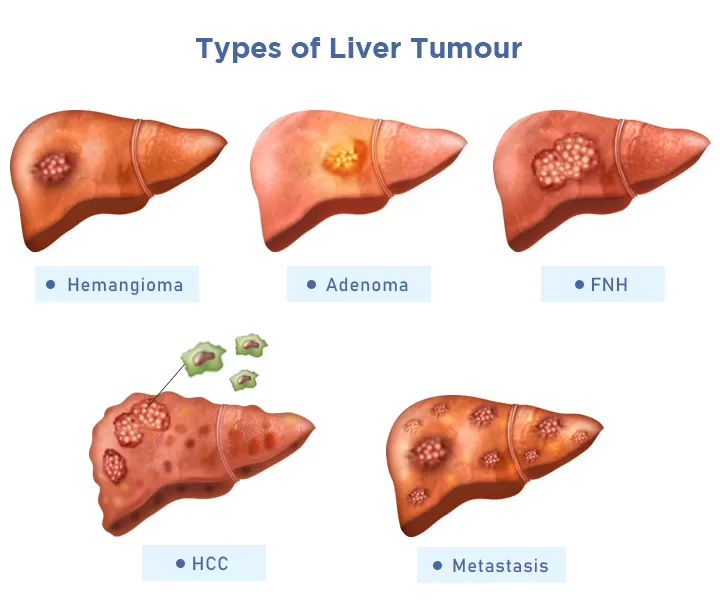
Liver tumors occur when liver cells grow abnormally and form a mass. Some liver tumors are harmless and grow slowly, while others may be aggressive and require urgent medical attention. Liver tumors may develop as primary tumors originating in the liver or as secondary tumors that spread from other organs.
A specialist evaluation is essential to determine the type and severity of the tumor.
Liver tumors may not cause symptoms in the early stages. As the tumor grows, symptoms may include:
Persistent pain or discomfort in the upper right abdomen
Unexplained weight loss
Loss of appetite
Fatigue and weakness
Abdominal swelling
Nausea or vomiting
Any persistent or unexplained symptoms should be evaluated by a specialist.
Several factors increase the risk of developing liver tumors, including:
Managing underlying liver conditions helps reduce the risk of tumor development.
Accurate diagnosis is essential to determine the nature of the liver tumor and guide treatment. Diagnostic tests may include:
A detailed evaluation helps differentiate benign from malignant tumors.
Treatment depends on the type, size, and stage of the tumor, as well as the patient’s overall liver health.
Treatment is planned with a multidisciplinary approach for optimal results.
With early diagnosis, advanced diagnostic techniques, and personalized treatment planning, liver tumors can be effectively managed. Regular monitoring and expert medical care play a vital role in maintaining liver health and improving long-term outcomes.