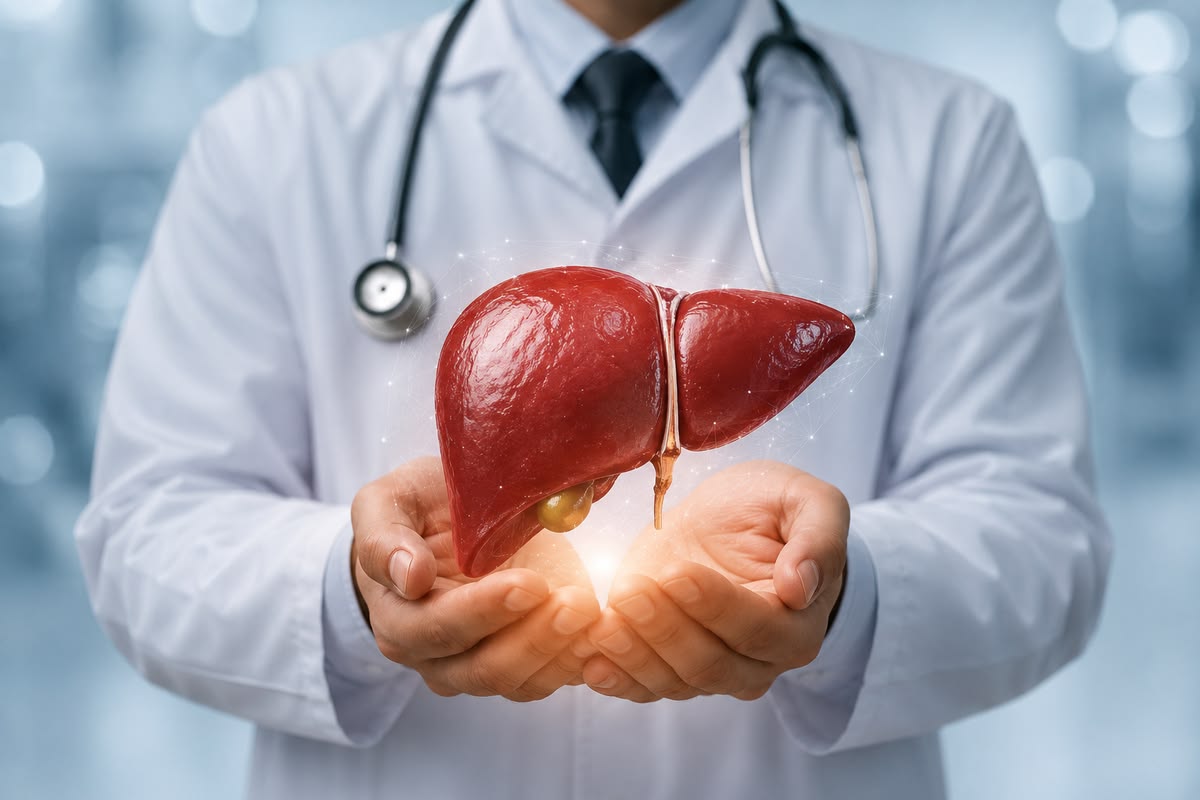
What Is Fatty Liver Disease?
Fatty liver disease occurs when excess fat builds up in the liver cells. A small amount of fat is normal, but when fat makes up more than 5–10% of the liver's weight, it becomes a concern.
There are two main types of fatty liver disease:
- NAFLD (Non-Alcoholic Fatty Liver Disease): Not related to alcohol and commonly linked to obesity, diabetes, insulin resistance, and unhealthy dietary habits.
- AFLD (Alcoholic Fatty Liver Disease): Caused by excessive alcohol consumption over time.
In India, especially in metropolitan cities like Delhi, fatty liver has become increasingly common due to sedentary lifestyles, high-carbohydrate diets, stress, pollution, and rising rates of type 2 diabetes.
Fatty Liver Symptoms: What Does It Actually Feel Like?
One of the biggest challenges with fatty liver disease is that it often causes no symptoms in the early stages. Many people discover it only during routine blood tests or abdominal ultrasounds.
Common fatty liver symptoms in adults may include:
- Persistent fatigue and low energy levels
- Mild discomfort in the upper right abdomen
- Unexplained weight gain, particularly around the waist
- Bloating and feeling full quickly after meals
- Elevated SGOT and SGPT levels on blood tests
- Mild nausea or reduced appetite
If the disease progresses to NASH (Non-Alcoholic Steatohepatitis) or cirrhosis, symptoms can become severe and may include jaundice, abdominal swelling, confusion, and significant weight loss.
Fatty Liver Grade 1 Symptoms
Grade 1 fatty liver is considered the mildest form of the condition. Fat accumulation is minimal, liver function remains largely normal, and inflammation is generally absent.
Most patients experience no symptoms. The condition is often discovered incidentally during an ultrasound showing mild fatty infiltration or mild hepatomegaly.
The good news is that Grade 1 fatty liver is highly reversible with timely lifestyle modifications.
Fatty Liver Grade 2: Symptoms and What to Do
Grade 2 fatty liver indicates moderate fat accumulation in the liver. At this stage, symptoms such as fatigue, abdominal discomfort, and abnormal liver enzymes become more common.
Effective management requires:
- A personalised liver-friendly diet plan
- Weight reduction and lifestyle changes
- Blood sugar and cholesterol monitoring
- Regular liver specialist follow-up
- Repeat ultrasound or Fibroscan assessments
What Causes Fatty Liver?
Fatty liver develops due to multiple lifestyle and metabolic factors working together over time.
- Obesity and excess abdominal fat
- Type 2 diabetes and insulin resistance
- High-carbohydrate and high-sugar diets
- Sedentary lifestyle and lack of exercise
- High triglycerides and low HDL cholesterol
- Thyroid disorders, especially hypothyroidism
- Certain medications such as steroids and antidepressants
Fatty Liver Causes in Young Adults
Fatty liver is increasingly being diagnosed in people in their 20s and 30s.
- Skipping meals and binge eating
- Frequent consumption of sugary beverages
- Regular alcohol intake
- High-stress work environments
- Lack of physical activity
- PCOS/PCOD and insulin resistance in women
Fatty Liver Diet Plan: What to Eat and What to Avoid
Foods That Help Fatty Liver
- Green leafy vegetables and fibre-rich foods
- Whole grains such as oats, bajra, jowar, and brown rice
- Lean proteins including dal, eggs, fish, and low-fat paneer
- Low glycaemic fruits such as guava, papaya, and apples
- Walnuts and seeds rich in omega-3 fatty acids
- Black coffee in moderation
Foods That Damage Your Liver Further
- Sugary drinks and sweets
- Refined carbohydrates and maida products
- Fried and processed foods
- Alcohol consumption
- Excess red and processed meat
Can Fatty Liver Be Reversed Naturally?
Yes. In most cases, particularly during the early stages, fatty liver can be reversed through sustained lifestyle changes.
The most effective strategies include:
- Losing 5–10% of body weight
- Exercising for 30–45 minutes at least five days per week
- Eliminating sugar and refined carbohydrates
- Controlling diabetes and cholesterol levels
- Regular follow-up with ultrasound or Fibroscan
When Should You See a Liver Specialist?
Consult a gastroenterologist or liver specialist if:
- Your ultrasound shows Grade 2 or Grade 3 fatty liver
- Liver enzymes are elevated
- Fatty liver persists despite lifestyle changes
- You have diabetes, PCOD, or high cholesterol
- You experience persistent fatigue or abdominal discomfort
Fibroscan is a quick, non-invasive test that helps assess liver stiffness, fat accumulation, and fibrosis more accurately than a standard ultrasound.
Get Your Liver Checked in West Delhi
Fatty liver is common, but it should never be ignored. Early diagnosis and proper management can prevent serious complications and help restore liver health.
If you have been diagnosed with fatty liver or have elevated liver enzymes, consult an experienced liver specialist for a comprehensive evaluation and personalised treatment plan.