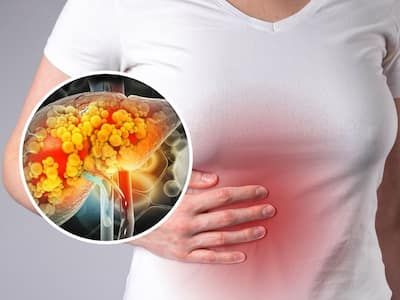
What Is Fatty Liver Disease?
Fatty liver is a condition that arises from the accumulation of excess fat in the liver tissues. Although some fats are acceptable in the body, an excess buildup may affect the liver negatively.
This issue can be associated with the following conditions:
-
Unhealthy dietary habits
- Being obese
- Having diabetes
- Not doing exercises
- Drinking alcohol
Fatty Liver Disease Progression Stages: Fatty Liver Grade 1 to Grade 3
Medical practitioners use terms like grades and stages to describe the progression of fatty liver disease. Understanding these stages can help in early diagnosis and proper treatment.
Grade 1 – Mild Fatty Liver Disease:
- This is the earliest stage where a small amount of fat starts accumulating in the liver cells. Most individuals do not experience any symptoms at this stage.
Grade 2 – Moderate Fatty Liver:
- In this stage, fat accumulation increases and inflammation may begin. Individuals may experience symptoms like fatigue, a feeling of heaviness in the stomach, and pain in the upper right abdomen.
Grade 3 – Severe Fatty Liver:
- This is the advanced stage where a large amount of fat builds up in the liver. Liver damage may already be occurring, and the risk of liver scarring increases significantly.
- The progression from Grade 1 to Grade 3 fatty liver can be gradual and depends on factors such as lifestyle, diet, body weight, and overall health condition.
Fatty Liver Disease Progression Stages
Fatty liver disease progresses gradually and can lead to serious liver damage if not managed properly. The condition typically develops through the following stages:
Stage 1 – Steatosis:
- This is the earliest stage where fat accumulates in the liver without causing significant damage. It is often asymptomatic.
Stage 2 – Inflammation:
- At this stage, fat buildup starts irritating the liver, leading to inflammation and mild liver damage.
Stage 3 – Fibrosis:
- Persistent inflammation results in the formation of fibrous (scar) tissue. This begins to affect the liver’s ability to function properly.
Stage 4 – Cirrhosis:
- This is the most advanced and serious stage, where severe scarring occurs, leading to significant liver dysfunction and potential complications.
Difference Between Fatty Liver and Cirrhosis
One of the most frequently asked questions is the difference between fatty liver and cirrhosis. While both conditions affect the liver, they differ significantly in severity and impact on health.
- Fatty Liver: This condition occurs when excess fat builds up in the liver. It is usually reversible with lifestyle changes and early treatment.
- Cirrhosis: This is an advanced stage of liver disease where severe scarring (fibrosis) damages the liver permanently.
- Severity: Fatty liver is generally mild and manageable, whereas cirrhosis is a serious condition that can lead to liver failure.
- Treatment Possibility: Fatty liver can often be reversed, but cirrhosis usually cannot be fully reversed and requires long-term medical care.
- Importance of Early Detection: Identifying and managing fatty liver early can prevent progression to cirrhosis and serious complications.
How Quickly Does Fatty Liver Turn Into Cirrhosis?
One of the most common questions is how quickly fatty liver disease can progress to cirrhosis. The progression rate varies from person to person. In many cases, it may take 10 to 20 years for fatty liver to develop into cirrhosis.
However, in some individuals, the condition may progress faster due to certain risk factors such as:
- Diabetes
- Obesity
- High cholesterol levels
- Alcohol consumption
- Unhealthy diet
- Liver inflammation
NAFLD Progression Timeline
NAFLD (Non-Alcoholic Fatty Liver Disease) usually progresses slowly over time. It may take several years for the condition to move from simple fat accumulation to more severe stages like fibrosis or cirrhosis.
- NAFLD develops gradually over time
- Progression from one stage to another may take 6 to 10 years
- Early detection can significantly slow or stop disease progression
Fatty Liver Warning Signs to Watch
Fatty liver disease often shows mild or no symptoms in early stages. However, as it progresses, certain warning signs may appear:
- Persistent fatigue or weakness
- Pain in the upper right abdomen
- Bloating or discomfort
- Unexplained weight gain
- Jaundice (yellowing of skin/eyes in advanced stages)
- Swelling in legs or abdomen (fluid buildup)
If you notice any of these symptoms, it is important to consult a healthcare professional for timely diagnosis and treatment.
Can Fatty Liver Be Reversed Naturally?
Yes, fatty liver disease can often be reversed in its early stages with proper lifestyle changes. Making healthy habits part of your daily routine can significantly improve liver health.
- Reduce intake of oily and processed foods
- Exercise regularly (at least 30 minutes daily)
- Limit sugar and refined carbohydrates
- Avoid alcohol consumption
- Maintain a healthy body weight
- Stay hydrated by drinking plenty of water
Even a 5–10% reduction in body weight can significantly help in reversing fatty liver and improving liver function.
Final Words
Knowing about the development stages of fatty liver disease will be beneficial for you. The sooner you detect this condition, the better. Do not take any warning signs lightly. Good nutrition, regular physical activity, and routine medical examinations will prevent the condition from becoming severe.